

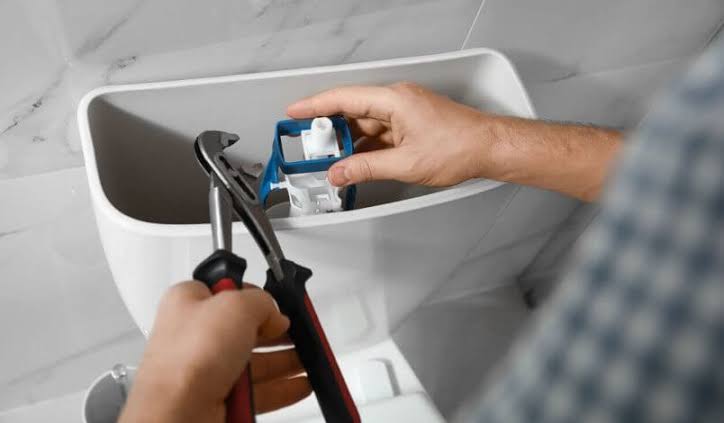
You don’t really think about your toilet cistern until something goes wrong.
When you flush as normal one day, there’s nothing instead of the typical sound of the tank filling up. The water level hardly changes as you wait a few seconds, then a minute. A minor issue can quickly turn into a significant annoyance, particularly if it’s the only toilet in the house.
If your toilet tank won’t fill, don’t panic. Often the problem is a simple fault easily spotted before calling a plumber or one you can fix yourself.
UK toilet cistern not filling up is a very common problem for homeowners. Knowing the most common causes of this problem can save your time and unnecessary expense.
First, How Does a Toilet Cistern Work?
Before looking at the problem, it helps to understand what normally happens after you flush.
When the toilet is flushed, water leaves the cistern and flows into the toilet bowl, basically right away. At the same time the fill valve comes open, so fresh water can move into the tank. As the water level rises up, the float thing moves gradually upward too. After the cistern reaches the proper level, the valve shuts off the water supply.
When one part of this process stops working properly, the cistern either fills very slowly or doesn’t refill at all.
Check That the Water Supply Is On
It might seem apparent but it’s always a good idea to start with the most straightforward option. Occasionally, when performing maintenance, cleaning or other plumbing tasks, the isolation valve behind the toilet is unintentionally turned off. Water simply cannot enter the cistern if the valve is closed.
Turn the valve fully open & flush the toilet again. If the cistern begins filling normally, you’ve found the problem.
A Stuck Float Can Stop the Water
The float is responsible for telling the fill valve when to allow water into the tank. Over time, the float can become stuck because of mineral deposits, dirt or general wear. If it remains in the raised position, the valve assumes the cistern is already full & prevents more water from entering.
Open the cistern lid & gently move the float up and down. If it feels stiff or doesn’t move freely, cleaning or adjusting it may solve the problem. This is one of the most common reasons behind a toilet cistern not filling.
The Fill Valve May Be Faulty
If the float moves normally but water still isn’t entering the cistern, the fill valve itself may have failed.
Like any plumbing component, fill valves wear out over time. Internal seals can deteriorate, debris can block the mechanism or moving parts may simply stop working properly.
In some cases, cleaning the valve helps. In others, replacing the valve is the better long-term solution. Fortunately, modern replacement fill valves are relatively affordable & widely available throughout the UK.
Low Water Pressure Can Slow Everything Down
Sometimes the cistern isn’t completely empty—it just takes an unusually long time to refill. This could indicate low water pressure.
Low pressure may affect multiple taps and appliances throughout the house, not just the toilet. However, if only one toilet is affected, the issue could be a partially blocked supply line leading to the cistern.
If your toilet cistern not filling up UK problem appears alongside weak water flow elsewhere in the property, checking your home’s water pressure is worthwhile.
Blockages Can Restrict Water Flow
Small debris, limescale and sediment particles may accumulate inside the fill valve or inlet filter over time. In several parts of the UK, hard water locations are particularly prone to this.
Water flow into the cistern can be greatly reduced by even a tiny obstruction. Frequently, cleaning the inlet filter allows regular operation to resume without requiring part replacement.
Could It Be Limescale?
One of the main threats to home plumbing is limescale. Minerals can obstruct moving parts like the fill valve and float as they accumulate inside the cistern.
White or chalky deposits may be visible around internal components. These deposits limit mobility and eventually cause the system to malfunction. Frequent cleaning maintains the flushing mechanism functioning properly and lessens the accumulation of limescale.
When It’s Time to Call a Plumber
Some problems are easy enough to investigate yourself. However, if you’ve checked the water supply, inspected the float, cleaned visible debris & the cistern still refuses to refill, professional help is usually the safest option.
A plumber can quickly identify whether the issue lies with the fill valve, supply pipe, internal mechanism or another hidden fault. Attempting more complex repairs without experience may cause leaks or further damage.
Preventing Future Problems
Like most plumbing issues, prevention is often easier than repair. A few simple habits can help keep your toilet working properly:
- Clean the inside of the cistern occasionally to remove dirt and limescale.
- Check moving parts for signs of wear.
- Replace damaged valves before they fail completely.
- Address slow refilling early instead of waiting until the cistern stops working altogether.
Regular maintenance can extend the life of your toilet’s internal components & reduce unexpected breakdowns.
Final Thoughts
A toilet cistern not filling is certainly frustrating, but it doesn’t always mean a major plumbing repair is needed. In many cases, the cause is something straightforward, such as a stuck float, blocked valve or closed water supply.
For homeowners experiencing a toilet cistern not filling up UK, understanding how the cistern works makes it much easier to identify the problem and decide whether it’s a simple DIY fix or time to call a professional.
If you’re looking for more practical plumbing advice, maintenance tips, and easy-to-follow home improvement guides, Tradefox offers expert resources to help you tackle common household issues with greater confidence. Sometimes, a five-minute inspection is all it takes to get your toilet working normally again—and to avoid a much bigger inconvenience later.





Leave a Reply