

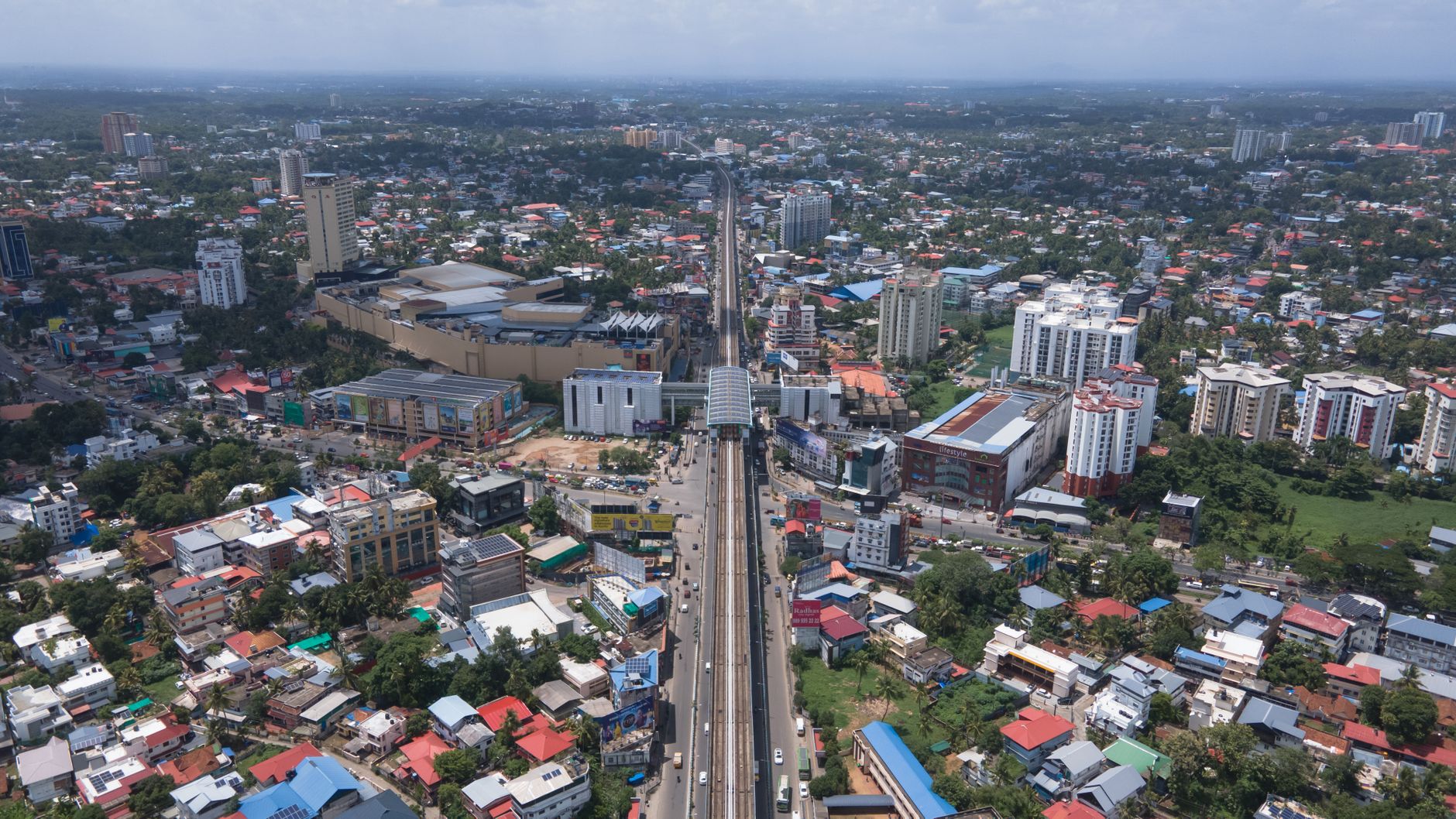
The Thiruvananthapuram Metro plan has been revised to include a 31 km corridor that promises to transform urban transport in the city. This initiative aims to enhance connectivity and accessibility for residents.
Overview of the Thiruvananthapuram Metro plan
The Thiruvananthapuram Metro plan aims to revolutionize urban transportation in the capital of Kerala. This ambitious project is designed to address the growing traffic congestion and provide a modern, efficient transit system for residents and visitors alike.
The revised plan outlines a 31 km corridor that will connect key areas in the city, enhancing accessibility and reducing travel time. The primary objectives of the Thiruvananthapuram Metro plan include:
- Reducing Traffic Congestion: By providing a reliable metro service, the plan seeks to alleviate the pressure on the city’s roads.
- Encouraging Sustainable Transport: The metro system is expected to promote the use of public transport, contributing to lower carbon emissions.
- Boosting Economic Development: Improved connectivity is anticipated to stimulate local businesses and attract investment in the region.
- Enhancing Safety: The metro is designed to provide a safer travel alternative compared to traditional modes of transport.
As the project progresses, the Thiruvananthapuram Metro plan will serve as a model for other cities in India, showcasing the effectiveness of modern urban transit solutions. With a well-structured approach and community support, the plan is set to transform the public transport landscape in Thiruvananthapuram.
Key features of the revised corridor
The revised corridor of the Thiruvananthapuram Metro plan includes several key features designed to enhance the effectiveness and efficiency of urban transport in the city. These features aim not only to facilitate smoother transit but also to integrate sustainable practices within the urban landscape.
- Length and Reach: The corridor is planned to extend approximately 31 kilometers, connecting major city areas and making public transport more accessible to residents.
- Integration with Existing Transport: The metro system will seamlessly connect with existing bus services and other transportation modes, ensuring easy transfers for commuters.
- Environmentally Friendly Design: Emphasis on eco-friendly construction methods and energy-efficient trains aims to minimize the environmental impact of the metro system.
- Smart Technology: The incorporation of advanced technology in operations, including automated ticketing systems and real-time tracking, will enhance user experience and operational efficiency.
- Safety Measures: The plan prioritizes passenger safety with modern surveillance systems and well-trained staff across stations and trains.
These features of the Thiruvananthapuram Metro plan are expected to significantly improve urban mobility, reduce traffic congestion, and promote the use of public transport among citizens, ultimately contributing to a sustainable urban environment.
Impact on urban mobility in Thiruvananthapuram
The Thiruvananthapuram Metro plan is poised to significantly enhance urban mobility in the city, offering a reliable and efficient mode of transportation. By connecting various key areas, the metro system aims to reduce traffic congestion and provide a faster alternative to traditional road travel.
One of the primary impacts of the metro plan is expected to be the reduction in travel time for commuters. The introduction of dedicated metro corridors will allow for quicker transit across the city, thereby encouraging the use of public transport over private vehicles. This shift can lead to decreased vehicular emissions, contributing to a cleaner urban environment.
Additionally, the metro system is likely to stimulate economic growth by improving access to commercial areas, educational institutions, and healthcare facilities. As the connectivity improves, local businesses may see an increase in foot traffic, which can lead to higher revenues.
Furthermore, the enhanced public transport infrastructure can contribute to better urban planning. With a well-integrated metro network, the city can promote sustainable development and minimize urban sprawl. Overall, the Thiruvananthapuram Metro plan not only promises to elevate the standard of urban mobility but also supports the broader goal of creating a more livable and vibrant city.
Challenges faced in the Metro project
The Thiruvananthapuram Metro plan faces several challenges that could impact its successful implementation. Addressing these challenges is crucial for ensuring that the project meets its objectives of improving urban mobility and reducing congestion.
One significant challenge is the land acquisition process. Gaining access to the land required for the metro corridor has been complicated by legal disputes and resistance from local communities. Many residents are concerned about the impact of construction on their homes and livelihoods.
Another challenge is the financial constraints. The project requires substantial investment, and securing adequate funding from both governmental and private sources remains a hurdle. Without proper financial backing, the timeline for the Thiruvananthapuram Metro plan could face delays.
Moreover, technological issues also pose a risk. Implementing state-of-the-art systems for management and operation is essential, but there are concerns about the readiness of such technology in the region.
Finally, public acceptance is critical. Engaging with the community to address their concerns and garnering support will be vital for the project’s success. Effective communication strategies and transparency will play a pivotal role in overcoming these challenges.
In conclusion, addressing these issues will be essential for the Thiruvananthapuram Metro plan to achieve its full potential.
Funding and investment for the Metro plan
The funding and investment strategy for the Thiruvananthapuram Metro plan is crucial to its successful implementation. Several key sources of financing have been identified to ensure that the project remains on track and within budget.
- Government Funding: The state government has allocated a significant portion of its budget to support the Metro project, recognizing its importance for urban development.
- Central Government Support: The Union Government has also pledged financial assistance through various schemes aimed at developing urban transport systems, providing a substantial boost to the funding pool.
- Public-Private Partnerships (PPP): Engaging private investors is being explored as a way to inject additional capital into the project while sharing risks and enhancing efficiency.
- International Loans and Grants: The project team is in discussions with international financial institutions to secure loans that can be repaid over an extended period, which will ease the immediate financial burden.
Moreover, effective management of funds is essential. The project management team has emphasized transparency and accountability in expenditure tracking, ensuring that every rupee invested contributes positively to the Thiruvananthapuram Metro plan.
Through a combination of these funding strategies, the Thiruvananthapuram Metro aims to create a reliable and efficient transportation network for the city’s residents.
Community response to the Metro development
The community response to the Thiruvananthapuram Metro plan has been a mix of enthusiasm and concern, reflecting the diverse perspectives of residents and stakeholders. Many locals view the Metro as a potential game-changer for urban mobility, believing it will ease traffic congestion and provide a more efficient mode of transportation. Supporters emphasize the benefits of reduced travel time and enhanced connectivity across the city.
However, there are also apprehensions regarding the impact of the project on existing neighborhoods and the environment. Some residents have expressed worries about potential land acquisition and the displacement of families. Additionally, there are concerns regarding the construction phase, which may lead to temporary disruptions and traffic challenges.
To address these concerns, the project developers have engaged with the community through various platforms, including public meetings and feedback sessions. This dialogue aims to ensure that the Thiruvananthapuram Metro plan aligns with the needs and expectations of the citizens.
- Support for Metro: Improved public transport options and reduced traffic congestion.
- Concerns: Land acquisition, environmental impact, and construction-related disruptions.
- Community Engagement: Ongoing dialogue to address concerns and gather feedback.
By fostering open communication, stakeholders hope to build a consensus that will ultimately benefit the entire community.
Timeline for the Thiruvananthapuram Metro project
The timeline for the Thiruvananthapuram Metro project has been a topic of significant discussion as stakeholders look to ensure timely completion and operational efficiency. The project is structured in phases, each with specific milestones aimed at enhancing urban mobility in the region.
Key phases of the timeline include:
- Phase 1: Detailed Project Report (DPR) – Completed by the end of 2022, this phase outlined the essential requirements and framework for the metro.
- Phase 2: Land Acquisition – Expected to commence in early 2023, this phase involves securing the necessary land for construction.
- Phase 3: Construction Start – Scheduled for mid-2023, construction activities will commence with full-scale work on the metro corridors.
- Phase 4: Testing and Commissioning – Anticipated for late 2025, this phase will include rigorous testing to ensure safety and reliability of the Thiruvananthapuram Metro system.
- Phase 5: Inauguration – The targeted inauguration is aimed for early 2026, marking the official opening of the metro for public use.
Overall, adhering to this timeline is crucial for the success of the Thiruvananthapuram Metro plan, ensuring it meets the mobility needs of the city efficiently.
Future prospects for urban transport in Kerala
The Thiruvananthapuram Metro plan holds significant promise for enhancing urban transport in Kerala, aligning with the state’s vision for sustainable development. As the project progresses, several future prospects are emerging that could reshape the landscape of public transportation in the region.
One of the most critical aspects is the integration of the metro system with existing public transport networks. This synergy can lead to:
- Improved Connectivity: Seamless transfers between the metro and buses can boost commuter convenience, encouraging more residents to opt for public transport.
- Reduced Traffic Congestion: By providing a reliable alternative to road travel, the metro can significantly alleviate traffic woes in urban areas.
- Environmental Benefits: A shift from personal vehicles to metro travel will contribute to lower emissions and better air quality in Thiruvananthapuram.
Moreover, the metro project could catalyze economic growth by attracting investments and creating job opportunities in construction and public services. The anticipated development around metro stations is likely to enhance property values and promote local businesses.
In conclusion, the future of urban transport in Kerala appears promising, with the Thiruvananthapuram Metro plan poised to play a pivotal role in achieving a more efficient, sustainable, and accessible transit system.
Photo by albin thomas on Pexels




Leave a Reply