

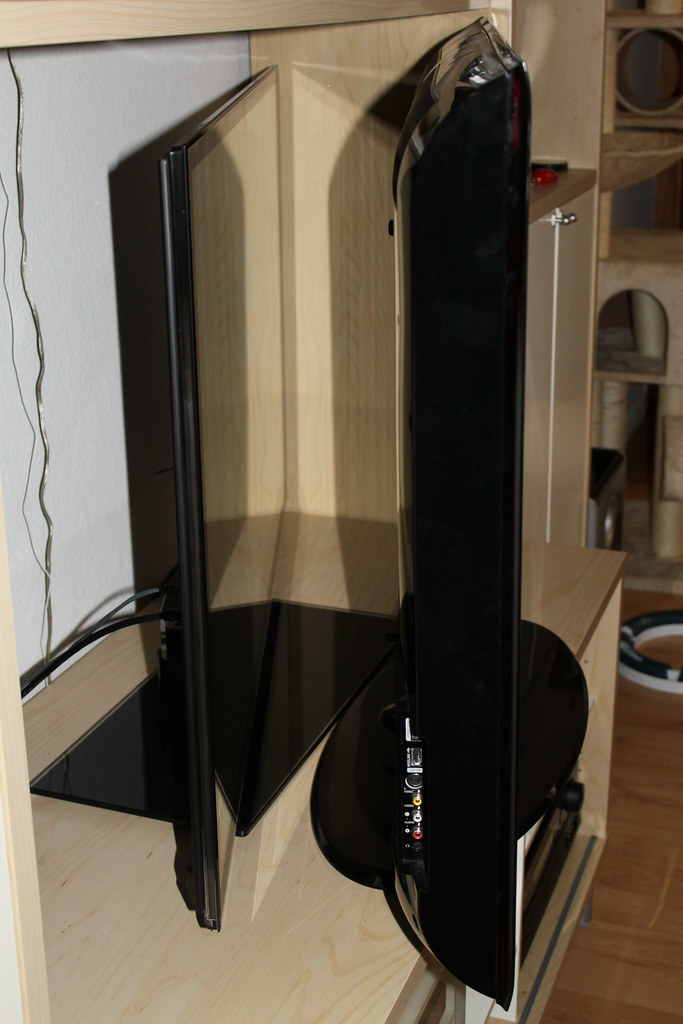
LG vs Samsung TVs are two of the most popular choices for home entertainment. With prices dropping during the Amazon sale, it’s essential to know which option suits your needs best.
Overview of LG and Samsung TVs
When it comes to choosing a television, LG and Samsung are two of the most recognized brands in the market. Both companies offer a range of models that cater to different preferences and budgets, making the decision process a bit overwhelming for consumers. In this overview, we will explore the key features and technologies that set the two brands apart.
LG is renowned for its OLED technology, which delivers stunning picture quality with deep blacks and vibrant colors. This technology is particularly favored by movie enthusiasts and gamers who seek an immersive viewing experience. Additionally, LG TVs are known for their user-friendly webOS platform, allowing easy access to streaming services and apps.
On the other hand, Samsung has made significant advancements with its QLED technology, providing impressive brightness and color accuracy. Samsung TVs are often celebrated for their excellent performance in bright rooms, making them a great choice for well-lit environments. The Tizen operating system enhances user experience with seamless navigation and a wide array of applications.
In terms of design, both brands offer sleek and modern aesthetics, although Samsung tends to push the boundaries with its innovative form factors. When considering LG vs Samsung TVs, it is essential to weigh your personal preferences regarding picture quality, features, and budget to determine which brand aligns best with your needs.
Key Features to Consider
When comparing LG vs Samsung TVs, it’s essential to consider several key features that can impact your viewing experience and overall satisfaction.
- Picture Quality: Both brands are renowned for their exceptional picture quality. LG’s OLED technology offers deep blacks and vibrant colors, while Samsung’s QLED displays excel in brightness and color accuracy.
- Smart Features: The smart TV platforms differ significantly. LG uses webOS, which is user-friendly and offers a wide range of apps. Samsung employs Tizen, known for its speed and compatibility with various streaming services.
- Sound Quality: Audio is often overlooked, but it plays a vital role in the viewing experience. LG TVs come with Dolby Atmos support in many models, providing an immersive sound experience. In contrast, Samsung TVs often feature Object Tracking Sound, enhancing audio directionality.
- Design: Aesthetic appeal can be a deciding factor. LG TVs often have a sleek, minimalist design, while Samsung tends to offer more variety in styles, including their distinctive ultra-thin bezels.
- Price: Pricing is a critical aspect, particularly during sales events. Typically, Samsung TVs offer a wider range of budget options, whereas LG’s OLED models tend to be on the higher end of the price spectrum.
Ultimately, the choice between LG vs Samsung TVs will depend on your preferences regarding these features.
Price Comparison During Amazon Sale
During the recent Amazon sale, consumers were presented with attractive price cuts on both LG and Samsung TVs, making it an ideal time to consider purchasing one of these popular brands. Price comparisons reveal significant differences that could influence your decision.
- LG TVs: Known for their OLED technology, LG TVs tend to be on the higher end of the price spectrum. However, during sales, you can find discounts ranging from 15% to 30%, making them more accessible. For instance, a 55-inch LG OLED model, usually priced around $1,500, was available for approximately $1,050 during the sale.
- Samsung TVs: Samsung offers a variety of models, including QLED options that provide vibrant colors and sharp images. Prices for Samsung TVs also saw reductions, often between 10% to 25%. A typical 55-inch QLED model that normally retails for $1,200 dropped to around $900 in the recent sale.
When comparing LG vs Samsung TVs, it’s essential to evaluate not just the base price, but also the technology and features that each brand offers for the price. Shoppers should consider their viewing preferences and budget to determine the best choice for their needs.
Customer Reviews and Feedback
Customer feedback plays a crucial role in determining the best choice between LG and Samsung TVs. Many users have shared their experiences on various platforms, providing insights that can help potential buyers make informed decisions.
When it comes to LG TVs, customers often highlight:
- Picture Quality: Users appreciate the vibrant colors and deep blacks offered by OLED technology.
- User Interface: The intuitive webOS platform receives praise for its ease of use and access to popular streaming services.
- Design: Many customers admire the sleek and modern design of LG TVs, making them a stylish addition to any living room.
On the other hand, Samsung TV owners frequently emphasize:
- Smart Features: The Tizen OS is often commended for its fast performance and wide range of apps.
- Brightness: Users have noted that Samsung’s QLED technology excels in bright environments, providing excellent visibility.
- Gaming Performance: Gamers often prefer Samsung TVs due to their low input lag and support for advanced gaming features.
Ultimately, customer reviews indicate that both LG and Samsung TVs have their strengths, and the best choice will depend on individual preferences and viewing habits. For those considering the LG vs Samsung TVs debate, thorough research and personal needs are key to making the right decision.
Final Verdict: Which TV to Choose?
When deciding between LG vs Samsung TVs, the best choice ultimately depends on your specific needs and preferences. Both brands offer exceptional quality and a range of features that cater to different types of viewers.
LG TVs are renowned for their OLED technology, providing deeper blacks and vibrant colors, which is ideal for movie enthusiasts and gamers who crave visual fidelity. Additionally, LG’s webOS platform is user-friendly, featuring a variety of streaming options and smart capabilities.
On the other hand, Samsung TVs excel in brightness and motion handling, particularly with their QLED technology. This makes them a great option for brightly lit rooms and sports fans who enjoy fast-paced action. Samsung’s Tizen OS also offers a comprehensive selection of apps and services, enhancing the overall viewing experience.
Price is another critical factor. While both brands offer competitive models, Samsung may provide slightly more affordable options during sales, such as the recent Amazon sale. It’s essential to evaluate your budget alongside the features that matter most to you.
In conclusion, if you prioritize deep blacks and cinematic experiences, LG might be the way to go. However, if you’re looking for brightness and excellent motion clarity, Samsung may be your best bet. Ultimately, the choice between LG and Samsung TVs should align with your viewing habits and environment.
When considering the latest technology and features, the debate of LG vs Samsung TVs becomes even more significant. Both brands offer unique advantages that cater to different viewing preferences, making the LG vs Samsung TVs comparison essential for consumers.
By GillyBerlin via Openverse
Where this came from
You might also like
Vivo V80 launch: The Best Specs and Price Revealed · Smart Building Systems: Proven Solutions for L&T Realty · Are Gorgon Halo benchmarks the best for AMD users?



Leave a Reply