

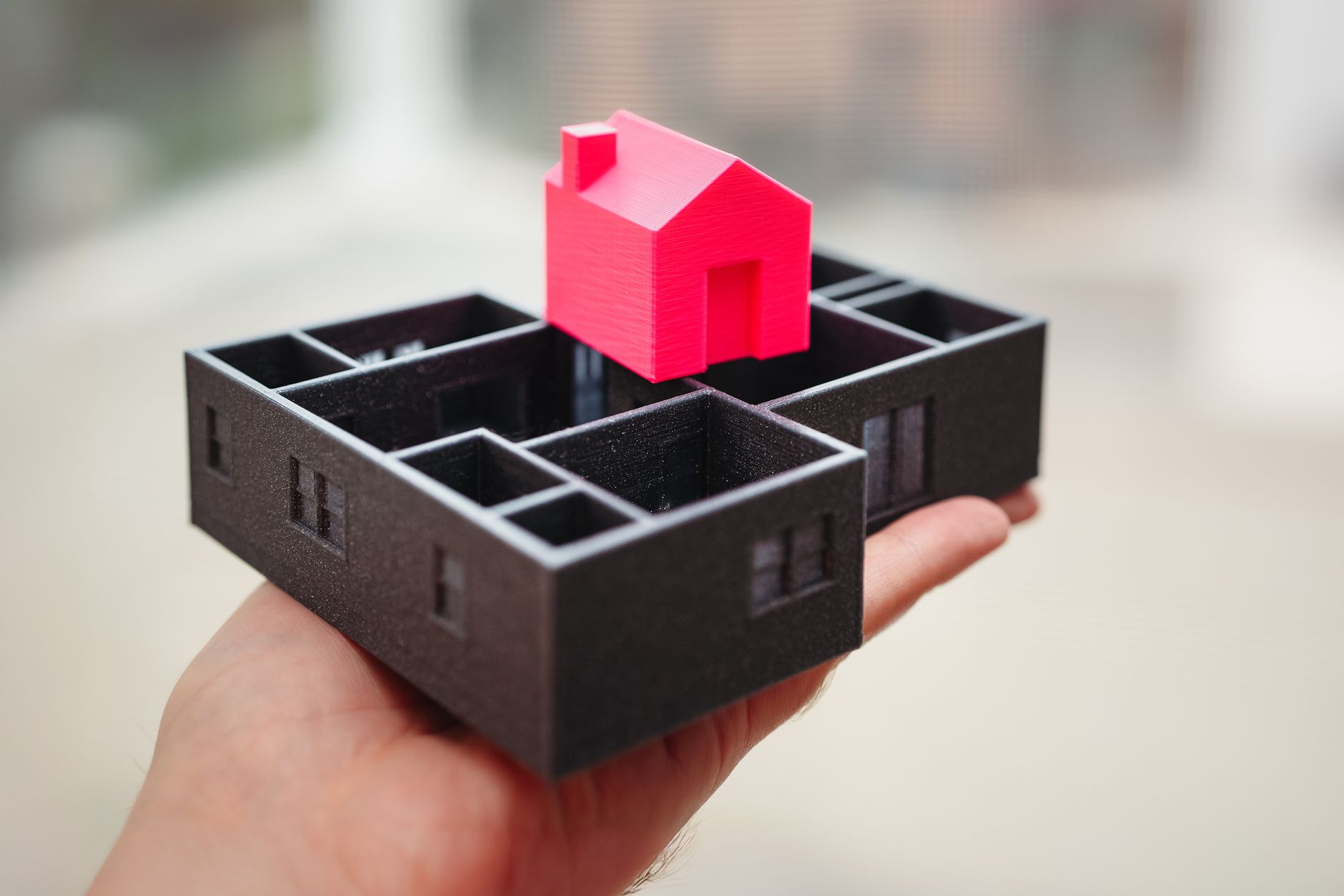
The 3D-printed housing project is set to revolutionize affordable housing in India. This innovative approach aims to construct homes in just ten days, showcasing cutting-edge technology.
Overview of the 3D-printed housing project
The recent launch of a 3D-printed housing project in India promises to revolutionize the construction industry by offering a quick and cost-effective solution to housing shortages. This innovative approach allows for the creation of homes in as little as ten days, significantly reducing the time traditionally required for construction.
This project aims to address the urgent need for affordable housing in urban areas, where demand often outstrips supply. By utilizing advanced 3D printing technology, builders can produce entire housing structures with remarkable efficiency. The process not only minimizes labor costs but also reduces material waste, making it an environmentally friendly option.
Key features of the 3D-printed housing project include:
- Speed: Homes can be completed in a fraction of the time compared to conventional methods.
- Affordability: Lower construction costs make housing more accessible to low-income families.
- Sustainability: The use of eco-friendly materials contributes to a smaller carbon footprint.
As more regions consider the implementation of similar projects, the potential for 3D-printed housing to become a mainstream solution is increasingly promising.
Benefits of 3D-printed homes
The 3D-printed housing project offers numerous benefits that make it a compelling solution for modern housing needs. Here are some key advantages:
- Speed of Construction: Homes can be built in a fraction of the time compared to traditional methods, often completed in less than 10 days.
- Cost-Effectiveness: By reducing labor costs and material waste, 3D-printed homes can be significantly cheaper to produce, making housing more accessible.
- Design Flexibility: The technology allows for innovative designs that can be tailored to meet specific needs and preferences, creating unique living spaces.
- Environmental Impact: 3D printing uses less material and can incorporate sustainable practices, such as reducing the carbon footprint associated with conventional construction.
- Durability: The materials used in 3D printing can enhance the durability of homes, making them more resilient to natural disasters and adverse weather conditions.
As more regions explore the possibilities of 3D-printed housing, these benefits highlight its potential to address housing shortages and affordability issues effectively.
How 3D printing is changing construction
The construction industry is experiencing a significant transformation thanks to advancements in technology, particularly through the emergence of 3D printing. This innovative method is reshaping how homes are built, offering a range of benefits that traditional construction methods cannot match.
One of the most remarkable aspects of 3D-printed housing projects is their speed. Homes can be constructed in a fraction of the time it takes using conventional techniques. For instance, the recent initiative in India showcases the potential to complete a house in just ten days. This rapid construction timeline is crucial in addressing housing shortages in many regions.
Additionally, 3D printing reduces waste significantly compared to traditional building methods. Materials are used more efficiently, which not only lowers costs but also minimizes the environmental impact of construction. By utilizing sustainable materials, these projects align with global efforts to promote greener building practices.
Moreover, the design flexibility that 3D printing offers allows for customized homes tailored to individual needs, making it an appealing option for many families. As more countries explore 3D-printed housing projects, the future of construction looks promising, paving the way for quicker, more sustainable solutions.
Challenges faced in implementation
The implementation of the 3D-printed housing project has not been without its challenges. Despite the promise of rapid construction and cost efficiency, several obstacles have emerged that could impact the project’s success.
- Regulatory Hurdles: Navigating building codes and regulations can be complex, as 3D printing technology is still relatively new in the construction sector. Local authorities may have concerns regarding safety and compliance that need to be addressed.
- Material Limitations: The quality and availability of materials suitable for 3D printing can vary. Ensuring a consistent supply of materials that meet structural requirements is crucial for the project’s sustainability.
- Skilled Workforce: There is a need for workers trained in operating 3D printing machinery and understanding its intricacies. Developing a skilled workforce can take time and investment.
- Public Perception: Some potential homeowners may be skeptical about the durability and reliability of 3D-printed homes. Building trust in this innovative approach is essential for widespread acceptance.
Overcoming these challenges is critical to realizing the full potential of the 3D-printed housing project and making it a viable solution for housing shortages.
Future of housing in India
The future of housing in India appears to be on the brink of transformation, largely due to innovative solutions such as the 3D-printed housing project. As urbanization continues to accelerate, the demand for affordable and efficient housing solutions has never been greater. This project promises not only rapid construction but also enhanced sustainability and cost-effectiveness.
By leveraging advanced technology, 3D-printed homes can be constructed in a fraction of the time it takes for traditional buildings. This rapid deployment is crucial in addressing the housing shortages faced by many communities across India. Moreover, the use of eco-friendly materials in 3D printing minimizes waste, aligning with global sustainability goals.
As the project gains momentum, it also opens up new opportunities for local economies. Skilled workers will be needed to operate 3D printing technology, fostering job creation in the construction sector. Furthermore, partnerships between government bodies and private firms can lead to increased investment in this innovative field.
In summary, the 3D-printed housing project not only addresses immediate housing needs but also sets a precedent for future construction practices in India, paving the way for a more sustainable and efficient means of providing homes.
The 3D-printed housing project has garnered attention for its ability to address housing shortages efficiently. By utilizing innovative technology, the 3D-printed housing project offers a quick and proven solution to meet the growing demand for affordable homes.
Photo by Jakub Zerdzicki on Pexels
References
LG vs Samsung TVs: Which is the Best Choice for You? · Vivo V80 launch: The Best Specs and Price Revealed · Smart Building Systems: Proven Solutions for L&T Realty








Leave a Reply