

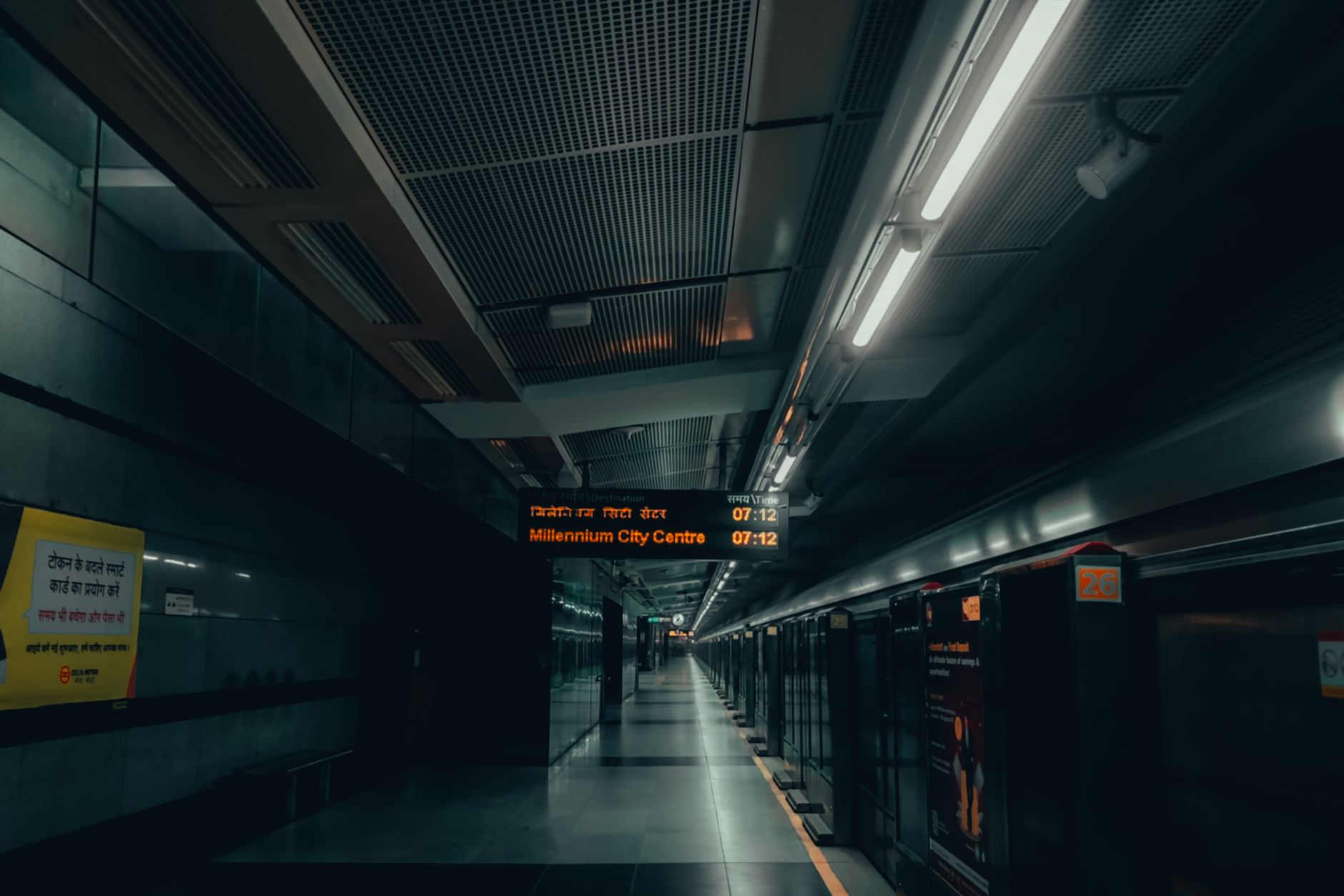
Delhi Metro stations upgrade is set to improve accessibility and connectivity in the capital. The recent decision by the DDA to clear a 5.5-km elevated corridor will significantly enhance the commuting experience.
Overview of the Metro Upgrade
The recent upgrade of Delhi Metro stations marks a significant step forward in enhancing urban transportation. This initiative focuses on improving passenger convenience and accessibility across the network. With the approval from the Delhi Development Authority (DDA) for a 5.5-km elevated corridor, the multimodal upgrade is set to transform the commuting experience for millions of daily travelers.
The upgrade will provide a multitude of benefits, ensuring that the Delhi Metro stations are not just transit points but integrated hubs of activity. Key features of the upgrade include:
- Enhanced Accessibility: Improved ramps and elevators will facilitate easier access for individuals with disabilities and the elderly.
- Increased Capacity: Expanded platforms and waiting areas will accommodate higher passenger volumes, reducing congestion during peak hours.
- Multimodal Integration: Seamless connections with bus services, auto-rickshaws, and other transport modes will promote greater efficiency.
- Modern Amenities: Upgraded facilities such as digital signage, Wi-Fi access, and better lighting will enhance the overall passenger experience.
Overall, the Delhi Metro stations upgrade is designed to create a more efficient and user-friendly transit system, aligning with the city’s goals for sustainable urban mobility.
Benefits of Multimodal Connectivity
The recent upgrades at Delhi Metro stations bring significant benefits through enhanced multimodal connectivity. This initiative not only improves accessibility but also promotes the use of public transport across the city.
Key benefits of this upgrade include:
- Seamless Transfers: Commuters can easily switch between different modes of transport, such as buses, auto-rickshaws, and metro services, reducing travel time and enhancing convenience.
- Increased Ridership: By improving connectivity, the Delhi Metro stations upgrade is expected to attract more commuters, thereby increasing the overall ridership and encouraging sustainable transportation methods.
- Reduced Traffic Congestion: Enhanced multimodal stations will help decrease the number of private vehicles on the road, leading to less congestion and improved air quality in the city.
- Economic Growth: Improved transport links can boost local businesses by increasing foot traffic around metro stations, thereby fostering economic development in the area.
- Better Infrastructure: These upgrades will provide modern facilities and amenities, making the commuting experience more comfortable and efficient for all passengers.
In summary, the Delhi Metro stations upgrade marks a transformative step towards a more integrated and efficient public transport system in the city.
Details of the Elevated Corridor
The recent upgrade of the Delhi Metro stations includes a significant development in the form of the elevated corridor. This corridor, spanning 5.5 kilometers, aims to enhance the overall efficiency of the metro system, making it more user-friendly and accessible.
Key features of the elevated corridor include:
- Improved Connectivity: The corridor will connect several crucial points in the city, providing seamless transitions between different modes of transportation.
- Enhanced Capacity: With the upgraded stations, the capacity to handle a larger number of passengers will increase, addressing the growing demand in the city.
- Modern Facilities: The stations will be equipped with state-of-the-art amenities, including escalators, lifts, and information kiosks, making the user experience more comfortable.
- Sustainability Initiatives: The upgrade includes eco-friendly designs and materials, promoting a greener approach to urban transportation.
As a part of the Delhi Metro stations upgrade, this elevated corridor is poised to bring clear and proven benefits to daily commuters, ultimately supporting the vision of a more connected urban landscape.
Impact on Commuter Experience
The recent upgrade of Delhi Metro stations is set to significantly enhance the commuter experience across the network. With the introduction of new facilities and streamlined services, passengers will enjoy a more comfortable and efficient journey.
One of the most notable changes is the integration of multimodal connectivity. This allows commuters to seamlessly transition between different modes of transportation, such as buses, auto-rickshaws, and bicycles, reducing waiting times and improving overall travel efficiency. As a result, the upgraded stations will serve as vital hubs for urban mobility.
Furthermore, the upgraded facilities will include:
- Improved Accessibility: Elevators and ramps will ensure easy access for all passengers, including those with disabilities.
- Enhanced Waiting Areas: Comfortable seating and digital information displays will keep commuters informed and relaxed while they wait.
- Safety Measures: Increased surveillance and better lighting will enhance security at the stations.
These upgrades are part of a broader initiative to modernize the Delhi Metro system, ultimately leading to a more pleasant and efficient experience for millions of daily riders. The ongoing upgrades at Delhi Metro stations promise clear and proven benefits for the entire city.
Future Plans for Metro Expansion
The Delhi Metro stations upgrade is part of a broader vision to enhance public transportation across the capital. In the coming years, the Delhi Metro Rail Corporation (DMRC) plans to expand its network significantly, focusing on both existing lines and new corridors.
Key future plans include:
- Expansion of Lines: New lines will connect underserved areas, improving accessibility for all residents.
- Integration with Other Transport Modes: Enhanced connectivity with bus services and other modes of transport will facilitate seamless transfers.
- Smart Technology Implementation: Upgrades will incorporate state-of-the-art technology for ticketing, real-time tracking, and security, ensuring a smoother commuter experience.
- Eco-Friendly Initiatives: The expansion plans include the use of solar panels and energy-efficient systems to reduce the environmental impact of the metro.
These developments are aimed at increasing the ridership of the metro system, encouraging more people to use public transport as a viable alternative to personal vehicles. By prioritizing the Delhi Metro stations upgrade, the city not only addresses current traffic congestion but also prepares for future growth, paving the way for a more sustainable urban transit system.
Government’s Role in Infrastructure
The government’s role in the ongoing Delhi Metro stations upgrade is crucial for enhancing urban mobility and infrastructure efficiency. By investing in multimodal transport options, the government aims to create a seamless commuting experience for residents and visitors alike.
Key initiatives include:
- Funding and Investment: Significant financial resources have been allocated to support the upgrade of six metro stations, ensuring that modern facilities are implemented.
- Collaboration with DDA: The Delhi Development Authority (DDA) has played an essential role by approving a 5.5-km elevated corridor, which directly connects with the metro stations undergoing upgrades.
- Focus on Sustainability: The government is prioritizing eco-friendly solutions, which align with global standards for sustainable urban development.
- Public Engagement: Community feedback has been actively sought to ensure that the upgrades meet the needs of metro users, making public transport more accessible.
These efforts represent a commitment to improving public transport infrastructure in Delhi, making it more efficient and user-friendly. The ongoing upgrades at metro stations will not only ease congestion but also promote the use of public transport, thereby contributing to a greener and more sustainable city.
Community Response to the Upgrade
The recent upgrades to Delhi Metro stations have sparked a significant response from the community, highlighting the positive impact of improved infrastructure. Residents and commuters alike have expressed their enthusiasm for the enhanced facilities, which are designed to foster greater accessibility and convenience.
Many commuters have noted that the upgrade has made their daily travel more efficient. Rahul Sharma, a frequent user of the metro, stated, “The new facilities at the stations have reduced my waiting time considerably. The multimodal connectivity allows me to switch easily between different modes of transport.” This sentiment is echoed by others who appreciate the seamless transitions provided by the upgraded stations.
Community leaders have also voiced their support, emphasizing the importance of such upgrades in promoting sustainable transportation. Meera Joshi, a local council member, commented, “The Delhi Metro stations upgrade is a step towards a greener city. It encourages people to use public transport rather than private vehicles, reducing congestion and pollution.”
As the community continues to embrace the improvements, there is a growing expectation for more such initiatives in the future, with many residents looking forward to further enhancements in their local transport infrastructure.
Challenges Ahead for Implementation
As the Delhi Metro stations upgrade progresses, several challenges loom on the horizon that could impact the timely completion of the project. While the upgrades aim to enhance connectivity and commuter experience, unforeseen issues may arise during implementation.
One of the primary challenges is the integration of various transportation modes at the upgraded metro stations. Ensuring that buses, auto-rickshaws, and other local transport options seamlessly connect with the metro service requires comprehensive planning and coordination among multiple agencies. This complexity can lead to delays and increased costs.
Moreover, construction work often disrupts regular traffic patterns, causing inconvenience to daily commuters. Residents and local businesses may express concerns about noise and accessibility during the upgrade process. To mitigate these issues, stakeholders must engage in transparent communication and provide timely updates to the community.
Another significant challenge is securing adequate funding for the project. While government support is essential, reliance on public funds can sometimes slow down progress. Exploring public-private partnerships may be a viable solution to expedite the Delhi Metro stations upgrade.
In summary, addressing these challenges effectively will be crucial for the successful implementation of the upgraded metro stations and the overall enhancement of Delhi’s transportation infrastructure.
The Delhi Metro stations upgrade has significantly enhanced the overall commuting experience for passengers. With modern facilities and improved accessibility, the Delhi Metro stations upgrade is a clear testament to the commitment towards public transport development.
Photo by Prashant pacific on Pexels





Leave a Reply