

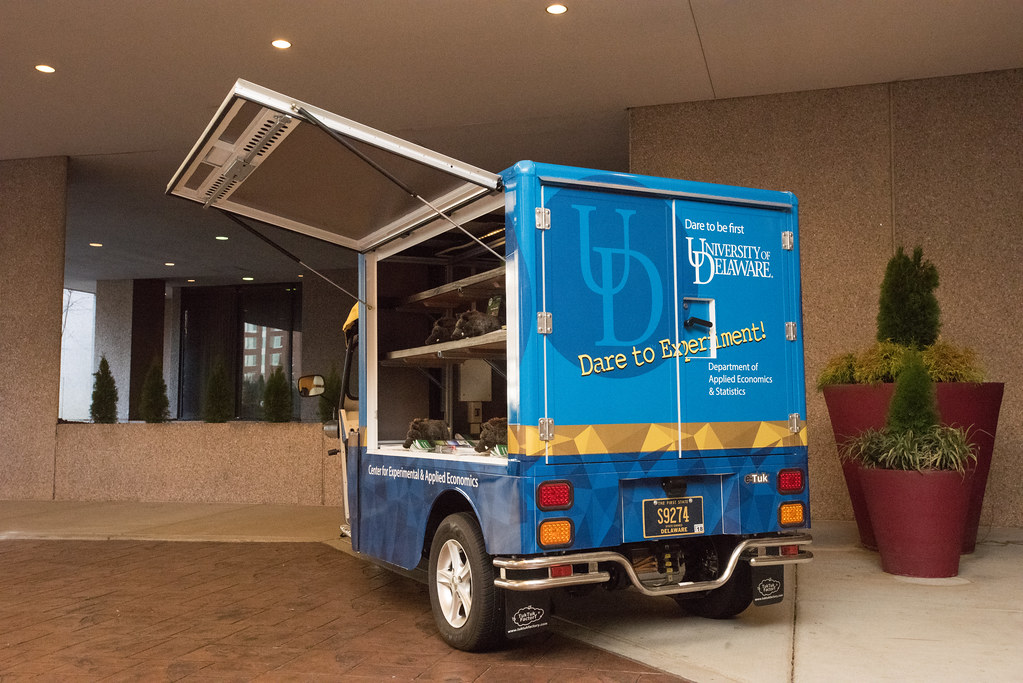
The electric rickshaw conversion project is set to launch in KP, aiming to revolutionize local transportation. This initiative promises numerous environmental and economic benefits.
Overview of the Electric Rickshaw Conversion Project
The electric rickshaw conversion project aims to address the growing need for sustainable transportation in Khyber Pakhtunkhwa (KP). This initiative is designed to transform traditional rickshaws into electric vehicles, significantly reducing emissions and promoting eco-friendly alternatives.
Key objectives of the electric rickshaw conversion project include:
- Environmental Benefits: By converting rickshaws to electric power, the project seeks to minimize air pollution in urban areas.
- Economic Impact: The initiative is expected to create jobs in the conversion and maintenance sectors, boosting the local economy.
- Cost-Effectiveness: Electric rickshaws are anticipated to reduce fuel costs for drivers, making the transition financially beneficial.
- Improved Public Health: With less exhaust emissions, the overall health of the community could improve, leading to fewer respiratory issues.
The conversion process will involve retrofitting existing rickshaws with electric drivetrains and batteries, ensuring that drivers are equipped with the necessary skills to operate and maintain these vehicles. The project represents a significant step towards modernizing the transport sector in KP while promoting sustainability through electric rickshaw conversion.
Benefits of Electric Rickshaws in KP
The introduction of electric rickshaws in Khyber Pakhtunkhwa (KP) brings numerous benefits that could transform the local transportation landscape. One of the primary advantages is the reduction in air pollution. Traditional rickshaws contribute significantly to urban smog, while electric rickshaw conversion aims to minimize harmful emissions, promoting a cleaner environment.
Another notable benefit is cost-effectiveness. Electric rickshaws require less maintenance and have lower operational costs compared to their fossil fuel-powered counterparts. This reduction in expenses can lead to increased profitability for drivers, allowing them to invest in their livelihoods more sustainably.
Furthermore, electric rickshaws are quieter, contributing to a decrease in noise pollution. This can create a more pleasant urban atmosphere, enhancing the quality of life for residents. The shift to electric transportation also aligns with global trends towards sustainable practices, making KP a pioneer in green initiatives within Pakistan.
Additionally, the implementation of the electric rickshaw conversion project is expected to create job opportunities in the region. From manufacturing to maintenance, this initiative can stimulate local economies and provide employment for many.
In summary, the shift to electric rickshaws in KP presents an array of benefits, from environmental improvements to economic advantages, making it a compelling solution for the region’s transportation needs.
How Will the Conversion Process Work?
The conversion process for traditional rickshaws to electric rickshaws in KP is designed to be efficient and user-friendly. The initiative aims to support local rickshaw drivers while promoting sustainable transportation. Here’s how the conversion process will work:
- Assessment of Existing Rickshaws: Each rickshaw will undergo a thorough assessment to determine its suitability for conversion. This involves checking the structural integrity and condition of the current engine.
- Installation of Electric Motors: Once deemed suitable, the existing engine will be replaced with a high-efficiency electric motor. This motor is designed to provide optimal performance while minimizing energy consumption.
- Batteries and Charging Infrastructure: The next step involves integrating advanced battery systems that offer extended range and durability. Additionally, a network of charging stations will be established to ensure drivers can conveniently recharge their vehicles.
- Driver Training: To ensure a smooth transition, training sessions will be provided for rickshaw drivers. This will cover the operation of electric rickshaws and maintenance practices.
- Subsidies and Financial Support: The project will also offer financial incentives to encourage participation. This includes subsidies that can significantly reduce the cost of conversion.
Through these steps, the electric rickshaw conversion aims to transform the transportation landscape in KP.
Community Reactions to the Initiative
As the electric rickshaw conversion project gains traction in Khyber Pakhtunkhwa (KP), community reactions have been mixed, reflecting both enthusiasm and skepticism among residents and drivers. Many see the initiative as a pivotal step toward reducing pollution and enhancing mobility in densely populated areas.
Supporters of the electric rickshaw conversion believe it will significantly lower operating costs. Ali Khan, a local rickshaw driver, stated, “Switching to electric will save us a lot on fuel. It’s a win-win for us and the environment.” Additionally, the reduction in noise pollution from electric rickshaws is considered a major advantage, contributing to a quieter and more pleasant urban atmosphere.
However, not everyone is convinced. Sara Bano, a resident of Peshawar, expressed her concerns: “What about the initial costs? Many drivers might struggle to afford the conversion.” This sentiment echoes among some drivers who worry about the financial implications of the transition.
Despite these concerns, many community members remain hopeful about the long-term benefits of the electric rickshaw conversion. With proper support from the government and NGOs, they believe this initiative could pave the way for a cleaner, more sustainable future in KP.
Future of Sustainable Transportation in Pakistan
The future of sustainable transportation in Pakistan is increasingly leaning towards innovative solutions that address both environmental concerns and economic feasibility. One such initiative is the electric rickshaw conversion project being launched in Khyber Pakhtunkhwa (KP). This project not only aims to reduce carbon emissions but also seeks to create a more efficient public transport system.
Electric rickshaw conversion has the potential to revolutionize urban mobility in KP. By transforming traditional petrol-powered rickshaws into electric vehicles, this initiative is expected to significantly lower operating costs for drivers while providing a cleaner alternative for passengers. As cities grow and traffic congestion worsens, the demand for efficient and eco-friendly transport options becomes more pressing.
Moreover, the integration of electric rickshaws into the urban landscape aligns with global trends towards sustainability. Many countries are investing in electric public transport systems, and Pakistan’s move towards electric rickshaw conversion is a step in that direction. The project could serve as a model for other regions seeking to enhance their transportation infrastructure.
As KP embraces this shift, it will not only improve air quality but also foster economic growth through job creation in the electric vehicle sector. The success of this project could ultimately pave the way for a greener future in transportation across Pakistan.
By USDAgov via Openverse
References
Related stories
Hanoi apartment prices: Are they the worst for buyers? · Development projects in Begusarai: Proven benefits for families · Google Black Friday sale: Is it the best deal for Pixel?






Leave a Reply