

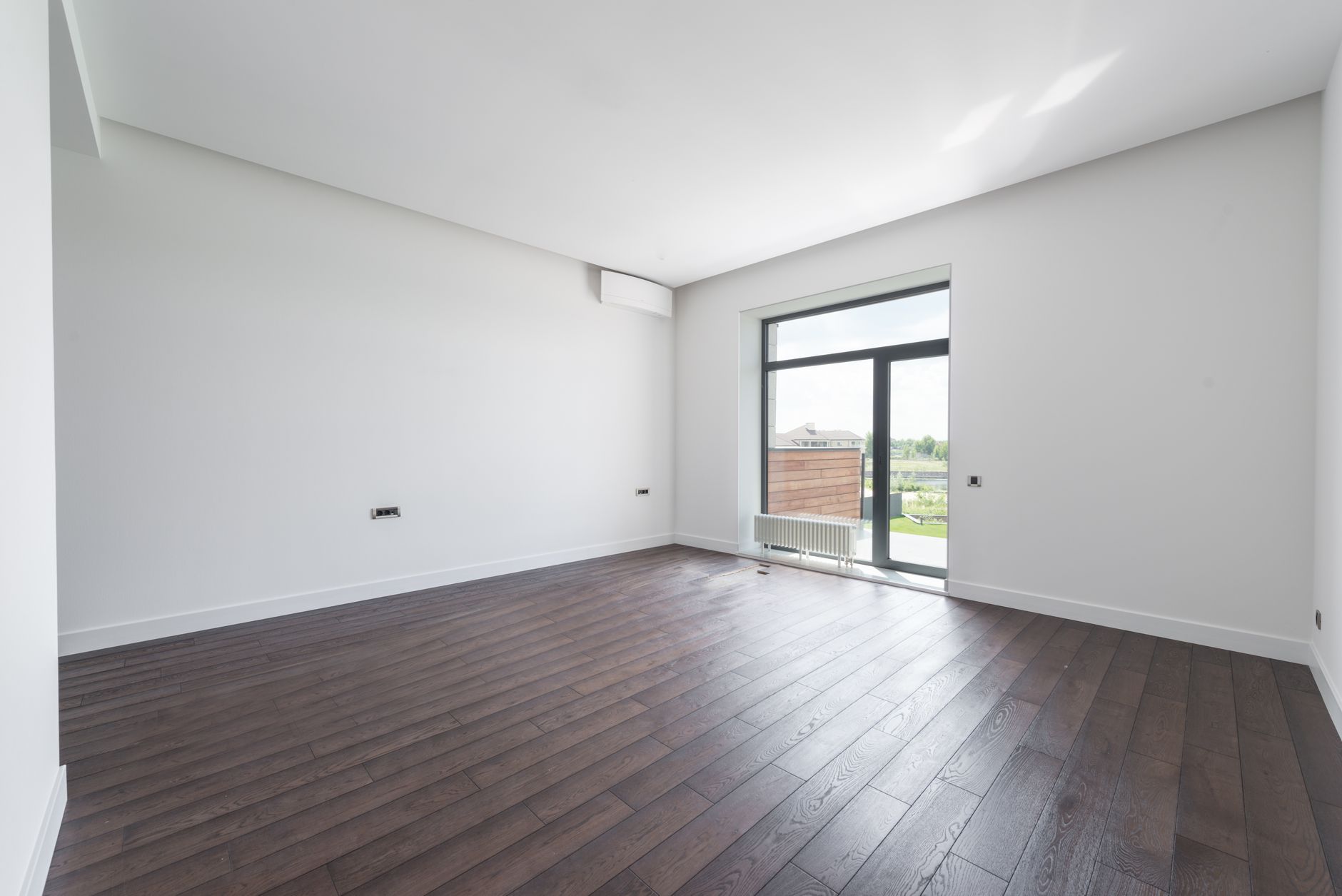
room rents soar due to a significant increase in demand and a decrease in available supply. This trend is reshaping the rental market, leading to higher costs for tenants.
Understanding the Rental Market Dynamics
In recent months, the rental market has experienced significant fluctuations, leading to a noticeable increase in room rents. This surge can primarily be attributed to two key factors: dwindling supply and surging demand.
As the population in urban areas continues to grow, the demand for affordable housing options has intensified. Many individuals are seeking shared living spaces, contributing to the rising competition among potential renters. Consequently, landlords have seized the opportunity to raise rents, capitalizing on the high demand.
On the supply side, the situation is equally challenging. A combination of economic factors, including construction delays and rising material costs, has hindered the development of new housing units. Additionally, some existing rental properties have been taken off the market, further constricting availability.
These dynamics have created a perfect storm, causing room rents to soar across various regions. As renters navigate this increasingly competitive landscape, many are left grappling with the reality of higher costs for basic living arrangements.
In summary, understanding these rental market dynamics is crucial for both renters and landlords as they adjust to the evolving conditions of supply and demand.
Factors Driving Room Rent Increases
The recent surge in room rents can be attributed to several key factors that highlight the imbalance between supply and demand in the housing market. As urban areas continue to grow, the number of available rental units has not kept pace with the increasing population.
Several elements are driving this trend:
- Increased Population Density: Cities are experiencing a rise in population as more people move for job opportunities, leading to higher demand for rental spaces.
- Limited Housing Supply: New construction has slowed due to various regulations and shortages of materials, resulting in fewer available rooms to rent.
- Remote Work Influence: The shift to remote work has prompted some individuals to relocate to urban areas, further straining the rental market.
- Inflation Effects: Rising costs of living and inflation have also played a role, as landlords increase rents to keep up with operating expenses.
As a result of these factors, room rents soar, leaving many potential renters struggling to find affordable housing options in their desired locations.
Impact on Tenants and Landlords
The recent surge in room rents has created a ripple effect, impacting both tenants and landlords. For tenants, the soaring rents mean tighter budgets and increased financial strain. Many are now forced to make tough decisions, such as downsizing or relocating to less desirable areas. The competition for affordable housing has intensified, leading some to enter bidding wars for available rooms.
Moreover, the rising costs often lead to a decline in tenant satisfaction. Long-term residents may feel pressured to move out as their landlords raise rents to match the market, causing instability in communities. This shift can also lead to increased homelessness, particularly among vulnerable populations who cannot keep pace with the escalating prices.
On the flip side, landlords are enjoying the benefits of the booming rental market. With demand outpacing supply, many are capitalizing on the situation by raising rents significantly. This trend can yield higher profits, but it also comes with challenges. Landlords must navigate the balance between maximizing income and maintaining good tenant relationships to ensure long-term occupancy.
Ultimately, the impact of soaring room rents highlights the pressing need for more affordable housing solutions.
Future Predictions for Rental Prices
As the rental market continues to experience significant fluctuations, experts predict that room rents will soar even higher in the coming months. Various factors contribute to this forecast, primarily the ongoing imbalance between supply and demand.
With many cities witnessing an increase in population and economic activity, the demand for rental properties remains strong. Conversely, the supply of available rooms is not keeping pace, leading to intensified competition among prospective tenants.
Analysts suggest that the following trends may shape rental prices in the near future:
- Increased Construction Costs: Rising material and labor costs may delay new developments, limiting the availability of rental properties.
- Changing Demographics: A younger workforce is moving into urban areas, driving up demand for rental accommodations.
- Government Policies: Potential regulatory changes could impact the rental market, either by incentivizing development or restricting supply.
As these dynamics unfold, both tenants and landlords must prepare for the possibility of escalating costs. Understanding the implications of these trends will be crucial for navigating the evolving landscape of room rents.
Comparing Room Rents Across Cities
The current landscape of room rents varies significantly across major cities, reflecting the broader trends of supply and demand. As room rents soar in urban centers, potential tenants are increasingly faced with difficult choices.
- New York City: The average rent for a room has reached $1,500, a staggering increase attributed to a significant influx of professionals and students.
- Los Angeles: Here, room rents have climbed to $1,200, driven by a competitive job market and limited housing availability.
- Chicago: Although slightly more affordable, room rents in Chicago have still risen to $900, reflecting a shift in demand as people move from more expensive markets.
- Miami: With rents at approximately $1,100, Miami is experiencing a surge in demand due to its appeal as a desirable place to live and work.
As these trends continue, the disparity in room rents across cities highlights the critical impact of local market conditions. In many cases, room rents soar not only due to demand but also due to a lack of available housing options.
Tips for Finding Affordable Rentals
As room rents soar, many prospective tenants are finding it increasingly challenging to secure affordable rentals. Here are some tips to navigate this competitive market:
- Set a Budget: Determine your maximum monthly rent and stick to it. This helps narrow down your options and avoid overspending.
- Expand Your Search Area: Consider looking in neighborhoods that are slightly further from city centers. Often, these areas offer more affordable options without compromising too much on accessibility.
- Utilize Online Platforms: Websites and apps dedicated to rental listings can provide a comprehensive view of available rooms. Set alerts to stay updated on new postings.
- Network: Reach out to friends, family, or colleagues who may know of available rentals. Word-of-mouth can often lead to opportunities not advertised publicly.
- Negotiate: Don’t hesitate to discuss rent prices with landlords. In some cases, landlords may be willing to offer lower rates or additional perks.
By employing these strategies, renters can increase their chances of finding affordable options despite the rising costs as room rents soar.
Government Policies Affecting Rent
The rapid increase in room rents has been influenced significantly by government policies that shape the housing market. Various regulations and incentives can either alleviate or exacerbate the housing crisis, impacting both supply and demand.
One major factor is zoning laws. These regulations dictate how land can be used, often limiting the construction of new rental properties. When zoning restrictions are strict, it becomes difficult for developers to meet the increasing demand for housing, leading to higher room rents.
Additionally, rent control policies have emerged in some cities as an attempt to protect tenants from soaring costs. While these measures aim to keep rents affordable, they can inadvertently reduce the incentive for landlords to maintain properties or invest in new developments, further straining the supply of available rooms.
Moreover, subsidies for affordable housing can create a mismatch in the market. If funding is directed towards specific projects without addressing overall demand, it may lead to an imbalance where room rents soar in other areas, making it harder for tenants to secure affordable options.
In summary, government policies play a crucial role in shaping the rental landscape, contributing to the current trend of rising room rents.
As more individuals flock to urban areas, the demand for housing has intensified, causing room rents to soar. This phenomenon highlights the undeniable relationship between supply and demand in the real estate market.
Photo by Max Vakhtbovych on Pexels






Leave a Reply