

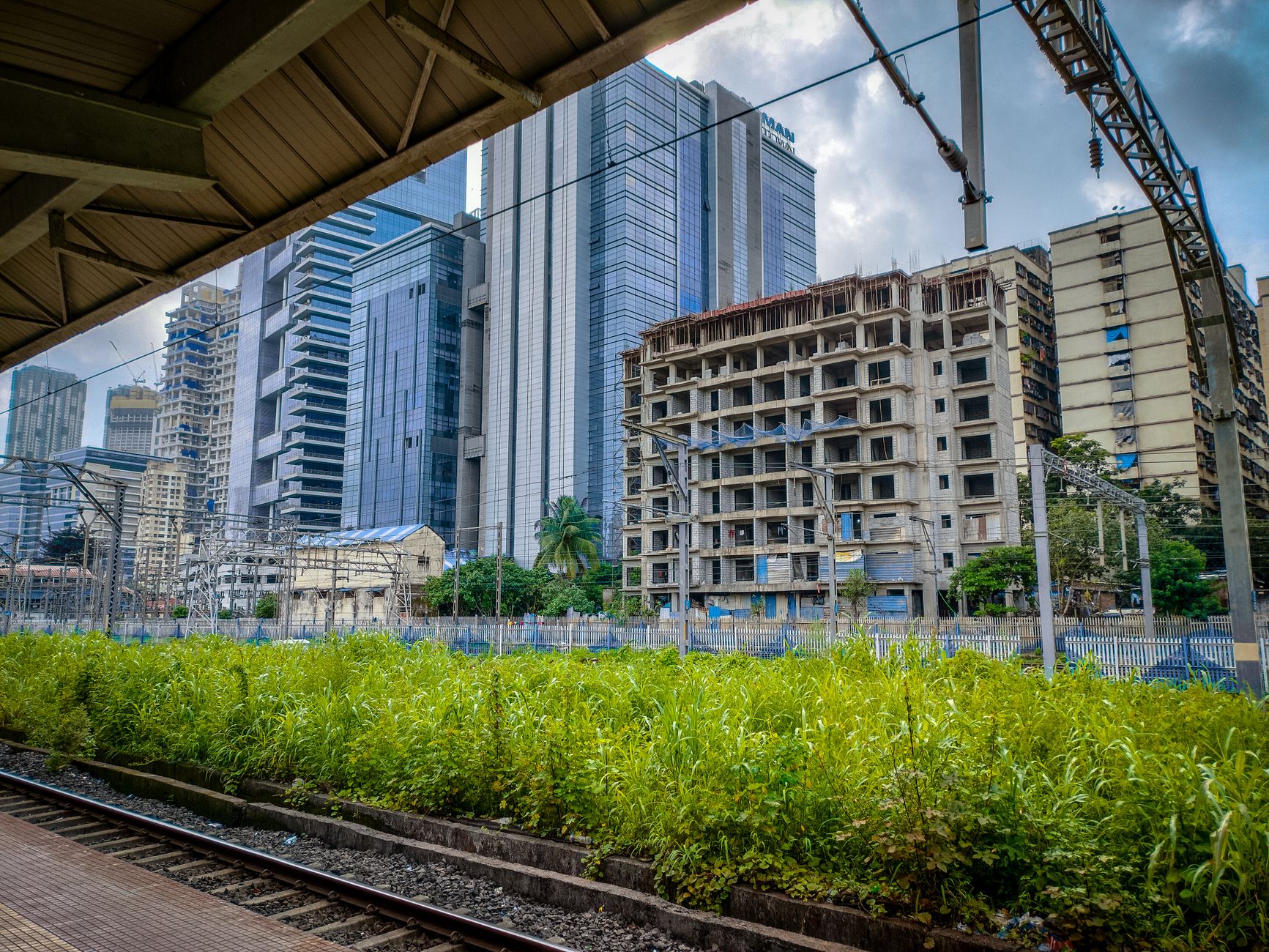
Maharashtra green building footprint accounts for a significant 30% of India’s total. This impressive statistic highlights the state’s commitment to sustainable infrastructure development.
Overview of Maharashtra’s Green Buildings
Maharashtra has emerged as a leader in sustainable architecture, significantly contributing to India’s overall green building footprint. As the state accounts for 30% of the nation’s green buildings, it showcases a commitment to environmentally friendly construction practices.
One of the key cities driving this initiative is Mumbai, which boasts an impressive 2,057 green building projects. These structures are designed to minimize energy consumption and reduce environmental impact, making them a model for other states to emulate.
The state’s green building movement is supported by various regulations and incentives aimed at promoting eco-friendly construction. Among these initiatives are:
- Leadership in Energy and Environmental Design (LEED) certification programs that encourage builders to adopt sustainable practices.
- Financial incentives for projects that meet certain environmental standards, fostering broader participation.
- Public awareness campaigns that educate citizens on the benefits of green buildings.
With these efforts, Maharashtra continues to enhance its green building footprint, setting a benchmark for sustainability in India.
Impact of Mumbai’s Projects
The impact of Mumbai’s projects on the state’s overall green building footprint has been significant, highlighting Maharashtra’s leadership in sustainable architecture. With a remarkable 2,057 green building projects in the city, Mumbai accounts for a substantial portion of the state’s contributions to eco-friendly construction.
These projects not only enhance the city’s skyline but also promote environmental sustainability through various initiatives, such as:
- Energy efficiency: Many buildings are designed to minimize energy consumption, incorporating solar panels and energy-efficient lighting.
- Water conservation: Rainwater harvesting systems and water-efficient fixtures are prevalent, helping to reduce overall water usage.
- Waste management: Construction projects often include plans for effective waste segregation and recycling to minimize landfill impact.
Furthermore, the emphasis on green building practices aligns with Maharashtra’s vision of promoting sustainable urban development, setting a benchmark for other states in India. As more developers embrace eco-friendly practices, Mumbai is expected to strengthen its position within the broader context of Maharashtra’s green building footprint.
Sustainable Practices in Construction
Maharashtra’s commitment to sustainable practices in construction has significantly contributed to its green building footprint, making it a leader in India. The state has implemented various initiatives that promote eco-friendly building designs and materials.
Among the sustainable practices adopted in Maharashtra are:
- Energy Efficiency: Many buildings utilize energy-efficient systems, such as LED lighting and high-performance HVAC systems, reducing overall energy consumption.
- Water Conservation: Rainwater harvesting and greywater recycling are common features in new constructions, helping to manage water resources effectively.
- Use of Sustainable Materials: Builders are increasingly opting for locally sourced and recycled materials, minimizing the carbon footprint associated with transportation and waste.
- Indoor Environmental Quality: Attention is given to improving air quality and natural lighting, which enhances the well-being of occupants.
These efforts not only contribute to the state’s impressive green building footprint but also set a benchmark for other regions in India. With continued innovation and adherence to sustainable practices, Maharashtra is well-positioned to maintain its leadership in green construction.
Future of Green Building in India
The future of green building in India appears promising, with Maharashtra leading the way. As the state accounts for 30% of India’s green building footprint, it sets a benchmark for sustainable construction practices across the country. The increasing awareness of environmental issues and the need for energy-efficient buildings are driving this trend.
In recent years, the integration of technology and innovative materials has transformed the construction landscape. Developers are increasingly adopting eco-friendly designs, which not only reduce carbon footprints but also enhance the quality of life for residents. Many projects are now incorporating renewable energy sources, water conservation techniques, and waste management strategies, further solidifying Maharashtra’s position as a leader in sustainable building.
However, challenges remain. The need for stricter regulations and incentives for builders to prioritize green practices is essential for maintaining momentum. Additionally, educating consumers about the benefits of green buildings can encourage more investments in this sector.
As the state continues to pave the way for sustainable development, the Maharashtra green building footprint is expected to expand, inspiring other regions in India to follow suit.
The Maharashtra green building footprint has gained significant recognition for its innovative designs and sustainable practices. Many experts argue that the Maharashtra green building footprint sets a benchmark for other states to follow in India.
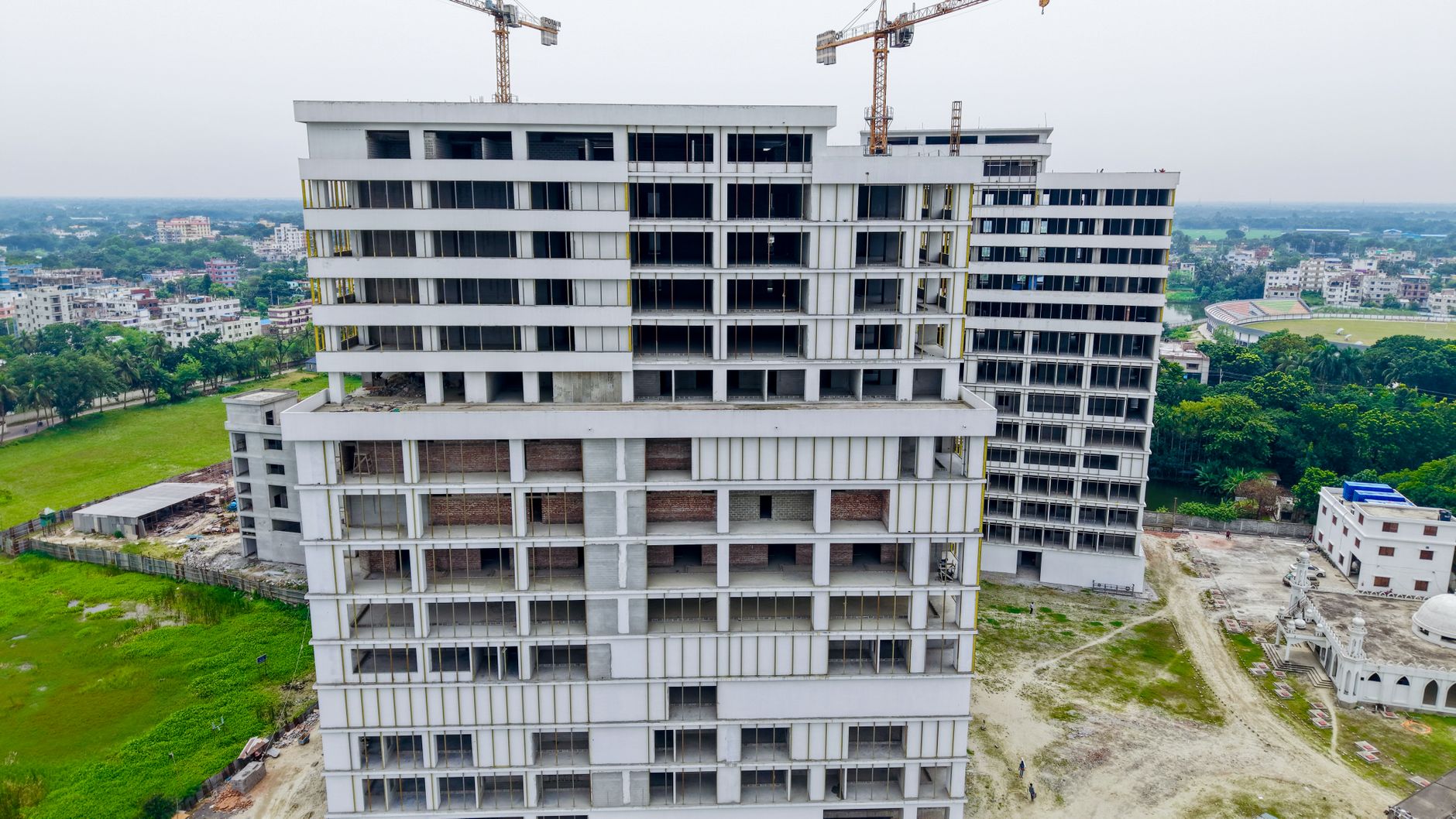
Photo by ELEOD on Pexels




Leave a Reply