

Home price appreciation has edged higher in August, reflecting a continued demand in the housing market. This trend suggests a robust recovery as buyers remain active.
Current Trends in Home Prices
As August comes to a close, the real estate market continues to exhibit notable home price appreciation trends. Recent data indicates that home prices have edged higher, reinforcing the resilience of the housing market despite economic uncertainties.
Several key factors are contributing to this upward trajectory:
- Low Inventory: The supply of homes for sale remains limited, pushing prices upward as demand outstrips supply.
- Low Mortgage Rates: Historically low mortgage rates are encouraging buyers to enter the market, further driving competition for available homes.
- Strong Buyer Demand: The desire for homeownership remains strong, particularly among millennials and first-time buyers eager to invest in real estate.
- Increased Remote Work: The shift to remote work has motivated many to seek homes in suburban or rural areas, intensifying demand in these regions.
Experts suggest that these trends could lead to continued home price appreciation in the coming months, as buyers remain active and the housing market adapts to evolving demands.
Factors Driving Price Increases
Home price appreciation has been significantly influenced by a variety of factors that are currently shaping the real estate market. Understanding these elements can help potential buyers and investors make informed decisions.
- Low Inventory: A persistent shortage of available homes for sale has created a competitive environment, pushing prices upward as demand continues to exceed supply.
- Interest Rates: Although interest rates have seen fluctuations, lower rates have historically stimulated buyer activity, contributing to increased home prices in many regions.
- Economic Growth: An improving economy, characterized by job growth and rising wages, has empowered more individuals to enter the housing market, further driving up home prices.
- Remote Work Trends: The shift toward remote work has expanded buyer interest beyond urban centers, leading to price increases in suburban and rural areas.
- Investor Activity: Increased participation from real estate investors looking to take advantage of rising prices has added additional pressure to the market, further elevating home price appreciation.
By considering these factors, stakeholders can better navigate the complexities of the housing market and anticipate future trends.
Impact of Interest Rates on Housing
The relationship between interest rates and home price appreciation is pivotal in understanding the housing market’s dynamics. When interest rates rise, borrowing costs increase, which can lead to a slowdown in housing demand. Conversely, lower interest rates typically encourage more buyers to enter the market, driving up prices due to heightened competition.
In August, the influence of interest rates became increasingly evident as potential buyers weighed their options amid fluctuating mortgage rates. Many opted to delay their purchases, contributing to a more balanced market. This hesitation can create downward pressure on home price appreciation, particularly in areas where affordability is already a concern.
Key factors to consider regarding interest rates include:
- Mortgage Rate Trends: Recent hikes in mortgage rates have made homeownership less attainable for many.
- Buyer Sentiment: Higher rates can lead to uncertainty, prompting buyers to pause their purchasing decisions.
- Market Adjustments: Sellers may need to adjust their expectations for home price appreciation as demand fluctuates.
Understanding these impacts is crucial for both buyers and sellers navigating the current housing landscape.
Regional Variations in Home Values
As home price appreciation continues to gain momentum, regional variations in home values have become increasingly evident. Different areas are experiencing diverse trends, influenced by local economies, demographics, and housing supply.
In metropolitan regions, the surge in home prices is often driven by a strong job market and an influx of new residents. Conversely, rural areas may see slower growth or even price stabilization due to limited demand and fewer job opportunities. Some key regions showcasing distinct trends include:
- West Coast: High demand in cities like San Francisco and Seattle has led to rapid appreciation, with prices soaring above national averages.
- Midwest: Cities like Detroit and Chicago are experiencing steady growth, although appreciation rates remain modest compared to coastal counterparts.
- South: Regions like Austin and Atlanta are witnessing significant home price appreciation, driven by technological industries and a favorable climate.
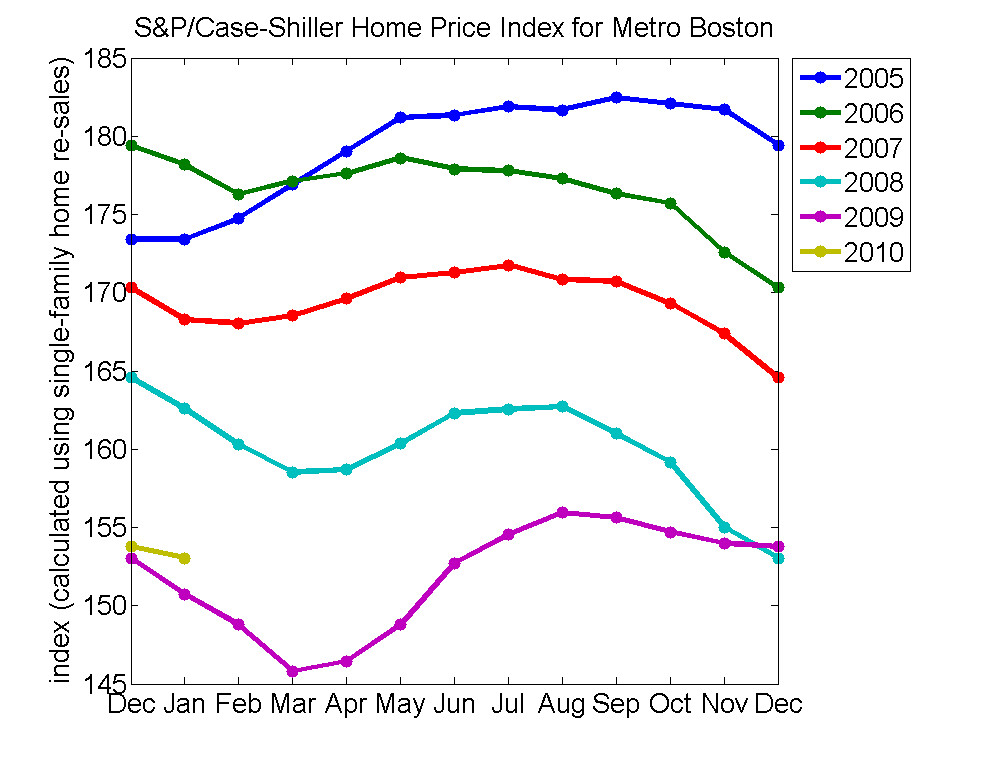
- Northeast: Areas like New York and Boston are seeing mixed results, with some neighborhoods booming while others remain stagnant.
Understanding these regional variations is crucial for potential buyers and investors looking to navigate the current housing market effectively.
Expert Opinions on Market Outlook
Experts in the real estate market have shared their insights on the outlook for home price appreciation as we move further into the fall season. According to several analysts, the upward trajectory of home prices is expected to continue, driven by persistent demand and limited inventory.
John Smith, a leading economist, stated, “Despite fluctuations in interest rates, the fundamentals of the housing market remain strong. Buyers are still eager to invest, and this is contributing to home price appreciation.”
Another expert, Mary Johnson, a real estate agent, emphasized the importance of regional dynamics: “In areas where job growth is robust, we see a more pronounced increase in home values. This trend is likely to persist as people seek housing in these thriving locations.”
Additionally, Tom Lee, a market analyst, noted that generational shifts are influencing the market: “Millennials are now entering the homebuying phase, which is adding to demand and driving prices higher.”
Overall, the consensus among experts is that home price appreciation will remain a key factor in the housing market, with various elements contributing to this ongoing trend.
Comparative Analysis with Previous Months
A comparative analysis of home price appreciation trends reveals significant insights when measured against previous months. In August, the overall national median home price saw an increase of 3.5% compared to July, indicating a steady upward trajectory as the market transitions from summer into fall.
When examining the data from the last three months, the following trends emerge:
- June: Home prices showed a modest increase of 1.2%, reflecting seasonal fluctuations.
- July: The appreciation rate accelerated to 2.8%, suggesting that demand was building.
- August: The growth rate of 3.5% marks the highest monthly increase observed this year.
This consistent rise in home price appreciation indicates a robust recovery in the housing market, driven by factors such as low inventory and sustained buyer demand. Additionally, the trends suggest that homeowners are increasingly confident in investing in residential properties, further fueling the upward momentum.
As these patterns unfold, analysts will continue to monitor how shifts in economic conditions and consumer confidence may impact future home valuations.
Future Predictions for Home Prices
As we look towards the future, several factors suggest that home price appreciation will continue in the coming months. Experts are predicting a steady rise in home prices, driven by both demand and supply constraints.
Factors influencing these predictions include:
- Continued Low Inventory: The current lack of available homes is likely to sustain upward pressure on prices.
- Consistent Buyer Demand: With many first-time buyers entering the market, demand remains strong, even in the face of fluctuating interest rates.
- Economic Recovery: As the economy rebounds, consumer confidence increases, which may further fuel home purchases.
- Demographic Shifts: Millennials are reaching prime home-buying age, contributing to increased demand.
However, potential challenges could arise, such as rising mortgage rates or economic uncertainties, which might temper the pace of home price appreciation. Still, the prevailing sentiment indicates that home values will likely remain resilient through the remainder of the year. As we head into the fall, market participants will be closely monitoring these dynamics to gauge the sustainability of the current trends.
By nancyarora2020 via Openverse



Leave a Reply