

Parkinson’s monitoring devices are revolutionizing how patients manage their symptoms at home. The new launch from Empatica, WellPD, aims to provide real-time insights for better care.
Introduction to Parkinson’s Monitoring
As the understanding of Parkinson’s disease evolves, so does the technology designed to monitor its symptoms. Parkinson’s monitoring devices have emerged as innovative tools that allow patients to track their condition from the comfort of their homes. These devices, often wearable, provide real-time data that can be invaluable for both patients and healthcare providers.
The introduction of advanced monitoring solutions, such as Empatica’s WellPD, signifies a shift towards more personalized care. These devices are designed to seamlessly integrate into daily life, offering insights into movement patterns, tremors, and other critical symptoms associated with Parkinson’s disease.
The benefits of using Parkinson’s monitoring devices extend beyond mere symptom tracking. They empower patients by providing them with the ability to actively participate in their treatment plans. This can lead to more informed discussions between patients and healthcare professionals, ultimately enhancing the quality of care.
As we explore the various features and advantages of these devices, it becomes clear that they represent a significant step forward in managing Parkinson’s disease, making home monitoring not only feasible but effective.
How WellPD Works
WellPD is designed to offer a comprehensive solution for individuals living with Parkinson’s disease by integrating advanced technology into daily monitoring. This innovative device utilizes a combination of sensors and artificial intelligence to track symptoms in real time, providing valuable insights for both patients and caregivers.
- Continuous Monitoring: WellPD continuously collects data on motor symptoms, allowing for real-time tracking of tremors, bradykinesia, and other movements associated with Parkinson’s disease.
- User-Friendly Interface: The device features a simple interface that enables users to easily access their symptom data and trends over time.
- Data Sharing: Patients can share their data with healthcare providers, facilitating more informed discussions about treatment plans and adjustments.
- Alerts and Notifications: WellPD can send alerts to caregivers if there are significant changes in a patient’s symptoms, ensuring timely intervention when necessary.
- Personalized Insights: The device provides personalized insights and feedback, empowering users to take control of their health management.
By leveraging state-of-the-art technology, WellPD exemplifies how Parkinson’s monitoring devices can enhance the quality of life for patients and foster closer collaboration between patients and their healthcare teams.
Benefits of Wearable Devices
Wearable devices designed for Parkinson’s monitoring are revolutionizing how patients manage their symptoms at home. These innovative tools offer numerous benefits that enhance both patient care and quality of life.
One of the primary advantages of using wearable Parkinson’s monitoring devices is their ability to provide real-time data to both patients and healthcare providers. This continuous stream of information allows for timely adjustments to treatment plans, which can lead to improved symptom management.
Additionally, these devices often incorporate advanced technology, such as:
- Activity tracking: Monitoring daily movements and activity levels can help patients stay engaged in their routine.
- Symptom logging: Automatic recording of tremors and other motor symptoms facilitates better communication with healthcare professionals.
- Alerts and reminders: Timely notifications can encourage patients to take medications or perform exercises on schedule.
Moreover, the user-friendly interfaces of these devices make them accessible for individuals of all ages, fostering independence in managing their condition. In summary, wearable Parkinson’s monitoring devices present a smart solution for patients seeking to enhance their home care experience.
Empatica’s Innovations
Empatica has made significant strides in the field of Parkinson’s monitoring devices, particularly with its WellPD platform designed for at-home use. This innovative system leverages cutting-edge technology to provide real-time insights into a patient’s condition, allowing for more accurate monitoring and timely interventions.
One of the standout features of Empatica’s devices is their ability to track a variety of symptoms associated with Parkinson’s disease. This includes:
- Tremor detection: Utilizing advanced sensors to continuously monitor involuntary movements.
- Activity level assessment: Measuring daily physical activities to gauge overall mobility.
- Sleep quality analysis: Tracking sleep patterns to identify disturbances that may affect health.
By collecting and analyzing this data, WellPD empowers both patients and healthcare providers with valuable information. This can lead to more personalized treatment plans and adjustments in medication dosages when necessary. Additionally, the device features a user-friendly interface that ensures ease of use for individuals of all ages.
Overall, Empatica’s focus on creating effective Parkinson’s monitoring devices positions them as leaders in the market, enhancing the quality of life for patients and providing peace of mind for caregivers.
User Experience and Feedback
User experiences with Parkinson’s monitoring devices like WellPD have been overwhelmingly positive, highlighting the significant impact these technologies have on daily life. Many users appreciate the ease of integrating these devices into their routines, as they provide real-time data that can be shared with healthcare providers, allowing for timely adjustments to treatment plans.
Feedback from patients indicates that the continuous monitoring capabilities of WellPD have led to greater awareness of their symptoms, enabling them to manage their condition more effectively. Users have reported feeling more in control of their health, as the device offers insights into their daily activities and symptom fluctuations.
Moreover, caregivers have expressed satisfaction with the added level of support that Parkinson’s monitoring devices provide. The ability to track symptoms remotely alleviates some of the burdens on caregivers, allowing them to focus on providing emotional support rather than solely managing health logistics.
The overall sentiment surrounding WellPD is one of empowerment and reassurance. As one user stated, “Having this device has transformed how I approach my treatment. I feel more connected to my care team and more aware of my health.” These testimonials underscore the effectiveness of wearable technology in fostering independence and improving quality of life for those living with Parkinson’s disease.
Comparing Monitoring Solutions
When it comes to managing Parkinson’s disease, choosing the right monitoring solutions is crucial for both patients and caregivers. With advancements in technology, various options are available, each with unique features and benefits. Here, we compare some of the leading Parkinson’s monitoring devices to help users make informed decisions.
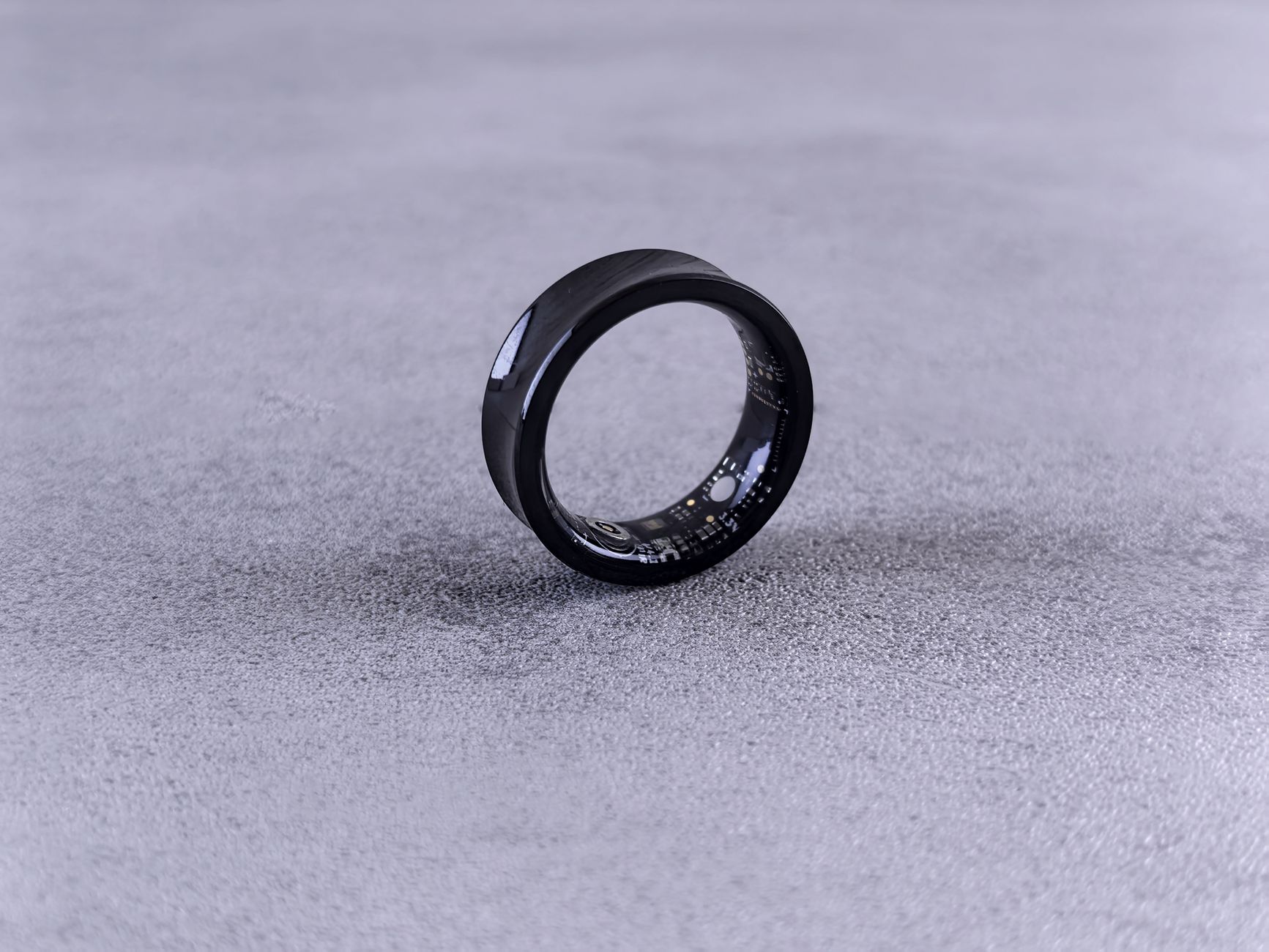
- Wearable Sensors: Devices like the Empatica WellPD enable continuous monitoring through discreet sensors that track motor and non-motor symptoms. These wearables are designed for comfort and can be worn throughout daily activities.
- Smartphone Applications: Many apps offer symptom tracking and medication reminders, making it easier for patients to log their experiences. These applications can provide valuable data that can be shared with healthcare providers.
- Remote Monitoring Systems: Some solutions offer comprehensive platforms that allow healthcare professionals to monitor patients remotely. This can lead to timely interventions and personalized care plans.
Each of these Parkinson’s monitoring devices offers distinct advantages, catering to different needs. Users should consider factors like ease of use, data accuracy, and the level of support provided to determine the best fit for their lifestyle.
Future of Parkinson’s Care
The future of Parkinson’s care is rapidly evolving, driven by advancements in technology and the increasing adoption of Parkinson’s monitoring devices. As these devices become more sophisticated, they offer a promising pathway for enhancing patient management and improving quality of life.
One of the key trends is the integration of artificial intelligence with wearable technology. This combination allows for real-time data analysis, enabling healthcare providers to make more informed decisions based on the patient’s specific needs. Furthermore, these devices are becoming more user-friendly, making them accessible to a broader range of individuals.
Additionally, remote monitoring capabilities are transforming the way patients interact with their healthcare teams. This shift not only minimizes the need for frequent hospital visits but also empowers patients to take control of their health from the comfort of their homes.
As research continues to validate the efficacy of these innovations, we can expect to see an increase in the adoption of Parkinson’s monitoring devices across various healthcare settings. This evolution will not only benefit patients and their families but also contribute to the overall efficiency of health systems worldwide.
In conclusion, the future of Parkinson’s care is characterized by enhanced technology and a patient-centered approach that promises to revolutionize traditional treatment methods.
Conclusion and Next Steps
In conclusion, Parkinson’s monitoring devices represent a significant advancement in the management of the disease, particularly for at-home care. With the emergence of innovative solutions like WellPD, patients can now benefit from real-time data collection and analysis, empowering them to take control of their health more effectively.
The insights gained from these devices not only facilitate better communication with healthcare providers but also enhance the overall quality of life for patients. As we move forward, it is essential for both patients and caregivers to remain informed about the latest developments in technology and how these advancements can be integrated into daily routines.
Next steps involve exploring the various options available in the market and assessing which Parkinson’s monitoring devices best fit individual needs. Considerations should include:
- Device compatibility with existing health management systems
- User-friendliness and ease of integration into everyday life
- Cost-effectiveness and insurance coverage
- Feedback from other users and clinical studies
Staying proactive in the adoption of these technologies could significantly enhance care strategies and ultimately improve outcomes for those living with Parkinson’s disease.





Leave a Reply